
Many athletes believe mental training is only for those who struggle. The truth? Even elite performers face fear, doubt, and pressure—and the difference between good and great often comes down to mindset. Let’s bust three myths about mental training.
Myth #1: Elite athletes don’t feel fear
Fact: Fear is a part of the extreme/adventure sports experience
When an event is meaningful, and the outcome is uncertain, unpleasant mind-states (including fear) are likely to arise.
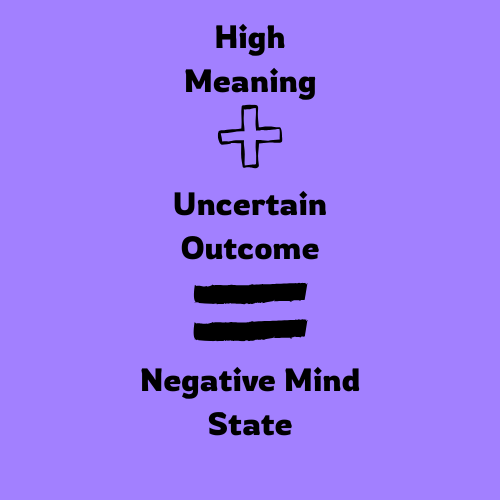
A meaningful event could include the game-deciding free throw, running a rapid with a known deadly hazard, skiing a closed-out line, or even performing a skill in front of people whose opinion matters to you.
The outcome of any of these events is uncertain. You could miss the shot, not make your line, crash, or fail at the skill.
It is natural and normal to experience unpleasant mind-states (fear, self-doubt, anxiety, dread, etc) when faced with this sort of performance environment. In fact, studies show that all most all extreme athletes experience some sort of heightened negative mind state (including fear) in the lead-up to participating in their sport. Big wave surfers can’t sleep the night before surfing on a huge day, and BASE jumpers feel all kinds of negative emotions before they jump.

Mental training can help you build a better relationship with your fear. Imagine being able to use your fear to sharpen your focus and positively guide your decision-making. Imagine welcoming fear as an important element of your performance. What would it be like to work with your fear, instead of trying to fight it or avoid it? Mental training gives athletes the tools to focus on their performance while feeling fear.

Myth #2: Feeling bad leads to bad outcomes
Fact: Feeling bad is a part of the sport experience
Remember the graphic from the first myth? (High meaning + uncertain outcome = negative mind states)
There is a pervasive belief in athletes (and especially in extreme athletes) that mood or mind states cause outcomes. If you feel good, then you’ll have a good line. If you feel bad, that bad feeling is either a premonition of that something bad will happen, or that bad feeling will itself cause bad things to happen.
One Olympic athlete was asked about his experience before competing for a medal, and he said that walking out to the event felt like “the gallows.” That’s about as far away from a happy-feel-good mindset as you can get. But, that athlete spent time mentally training to perform in spite of those negative mind states, and he went on to win a gold medal in his event.
“I’ve said it before, but it’s the only description: it feels like the gallows.”
Olympian on his mind-state before his event (where he won gold)
For extreme and adventure sport athletes, good conditions are far from a guarantee. In an unpredictable and uncontrolled environment, things go wrong. And athletes are faced with grappling with adverse conditions and unpleasant mind states. Mental training can help athletes de-couple feelings from performance outcomes. Evidence-based mental tools including cognitive defusion strategies help athletes separate themselves from their thoughts and emotions. This frees up mental bandwidth to focus on what actually matters for performance: the line, the movements, the shot.
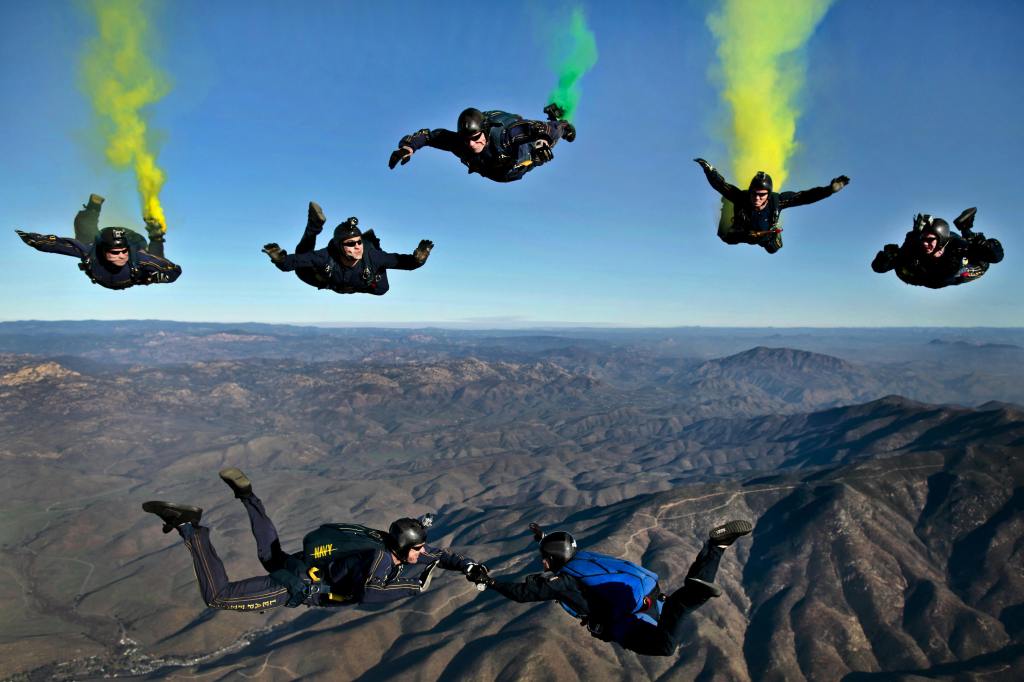
Myth #3: Elite Athletes don’t train their mental game
Fact: Elite athletes absolutely practice mental skills for managing pressure, visualizing success, and navigating performance through unpleasant mind states.
Studies have found that many Olympic athletes have the technical skills to compete at the Olympics years before their Olympic debuts. But, developing the mental skills to perform under Olympic pressure takes time and dedicated practice.
Mental Skills in the Wild:
- Basketball players getting ready to take a free throw
- Mikaela Schiffrin in the starting area of a ski race
- Nouria Newman closing her eyes and miming paddle strokes on land
- NFL players reading/meditating/grooving on the sidelines
- Golfers playing through bad shots and setbacks during three-day tournaments
Level up your performance by learning the same evidence-based mental skills and tools used by top athletes (and Olympians) in every sport.
 Mindfullsend Mental Performance Coaching
Leave a comment